

Mammography
History
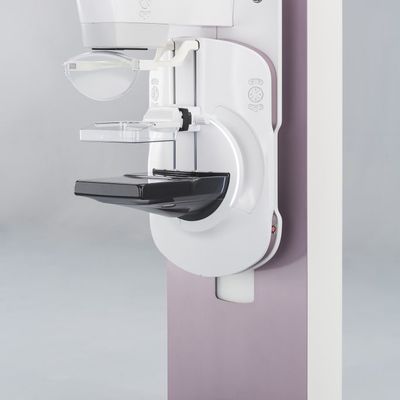
Mammography is a specialized medical imaging technique that uses low-energy X-rays to examine the human breast. It is most commonly used in screening for breast cancer. The technology was first developed in the early 20th century, with significant advancements made in the 1960s and 1970s that improved image quality and reduced radiation exposure. Mammograms are typically performed using a dedicated mammography machine, which compresses the breast to obtain clear images. The procedure usually takes about 20 minutes.
How it works
Mammography uses low-energy X-rays to examine the human breast. It is most commonly used in screening for breast cancer. A mammogram is an X-ray picture of the breast. A mammogram uses a low dose of X-rays to create an image of the breast tissue. During a mammogram, the breast is compressed between two firm surfaces to spread the tissue apart. This compression is necessary to obtain clear images and to reduce the amount of radiation needed. The procedure typically takes about 20 minutes.
Frequently Asked Questions
Magnetic Resonance Imaging (MRI) and Magnetic Resonance Angiography (MRA)
Magnetic resonance imaging (MRI) and magnetic resonance angiography (MRA) are advanced medical imaging techniques that use strong magnets and radio waves to create detailed images of the body's organs and tissues.
Dual-energy X-ray Absorptiometry (DEXA or DXA)
DEXA scans are used primarily to evaluate bone mineral density (BMD). This makes it an excellent choice in the diagnosis and treatment of osteoporosis.